Writing for Good AREAS, Varun Alvakonda and Jarrod Kimber, believe the World Cup clash with England in 2003 still fits the idea. Australia had already been pushed deep into trouble, yet Bevan and Andy Bichel rebuilt the chase in a way that made the target feel reachable again. The numbers suggested panic, but the partnership brought structure back into the innings. Australia trusted their internal calculator.
READ: Hermann, Jansen light up Sunday’s Vitality Blast
Back then it was called finishing. Today it feels far more layered.
Fast forward to the IPL, where Chennai Super Kings posted a strong total against Delhi Capitals after Sanju Samson’s century lifted the target to 213.
Delhi started at pace, 61 without loss inside five overs. Then the game shifted sharply. 76 for 4. The required rate became the dominant force, dictating shot selection and risk.
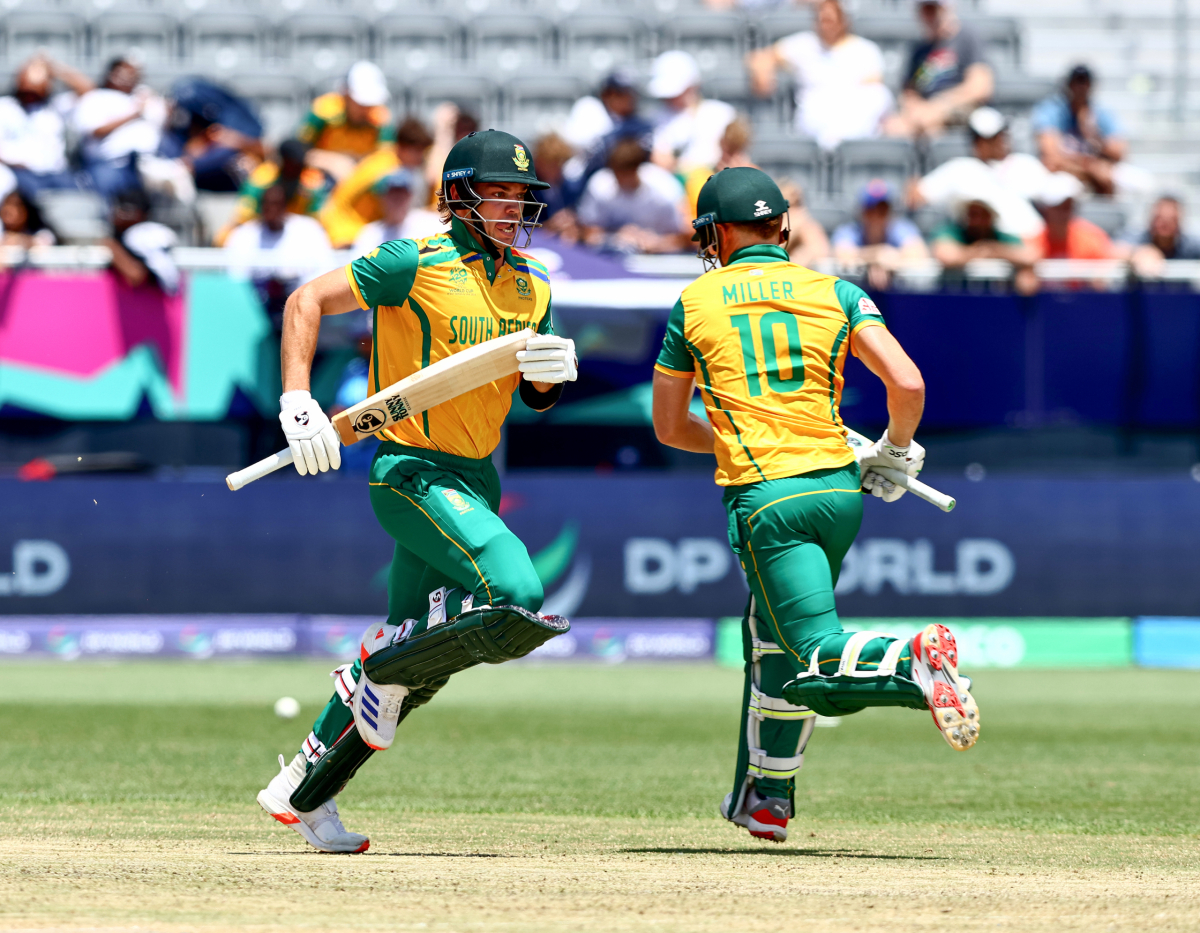
David Miller and Tristan Stubbs were at the crease.
Modern T20 cricket has started producing a different kind of middle order batter, and South African cricket sits right in that evolution. Miller and Stubbs represent that blend clearly. They stabilise innings, then attempt late acceleration, operating in the space between rebuilding and finishing.
The numbers support the profile. Among IPL batters who regularly operate between five and seven, Miller and Stubbs sit among the highest for true average. In that role, they sit alongside and even ahead of top order players like Virat Kohli and KL Rahul in terms of staying power through the middle phase.
That is the shift in value.
South Africa has developed a distinct middle order type. Something between anchor and finisher.
A finishing anchor.
In this chase, Miller reached 12 and Stubbs 11 after ten deliveries each. The pattern has become familiar. Early settling, steady tempo, then a rising required rate arriving earlier than ideal.
By that point, the equation already demands near perfection.
In baseball terms, that is described as falling behind in the count. Each delivery carries added pressure, each mistake compounds quickly.
Miller fell for 17 off 14, and the chase tightened further.
When Stubbs arrived, the required rate sat around 190. It soon climbed toward 238. Since 2024, Stubbs has operated at around 234 at the death, a range that suits his strongest phase of striking.
That phase belongs to him.
ALSO: Nqobani, Lhuan-dré star as SA A clinch series against Lions
His middle overs strike rate since 2024 sits around 127. Against Chennai Super Kings, he reached 37 off 26 by the 16th over, lifting his tempo beyond his usual middle phase output and edging closer to the demands of the chase.
By then, the gap had already widened.
Stubbs finished 60 off 38. Impact rating: +14, the strongest in the Delhi innings, with Ashutosh next on +3.
It reads as a commanding knock. It also reflects a growing South African T20 pattern, where middle order batting roles demand both tempo shifts and boundary bursts in a game state that increasingly asks for near-perfect execution across phases.
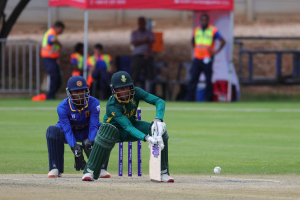
Photo: Richard Huggard/Gallo Images